We’re celebrating 60 years!






Page & Palette Timeline
〰️
Page & Palette Timeline 〰️
1894
Fairhope is Founded
The Book That Inspired Fairhope
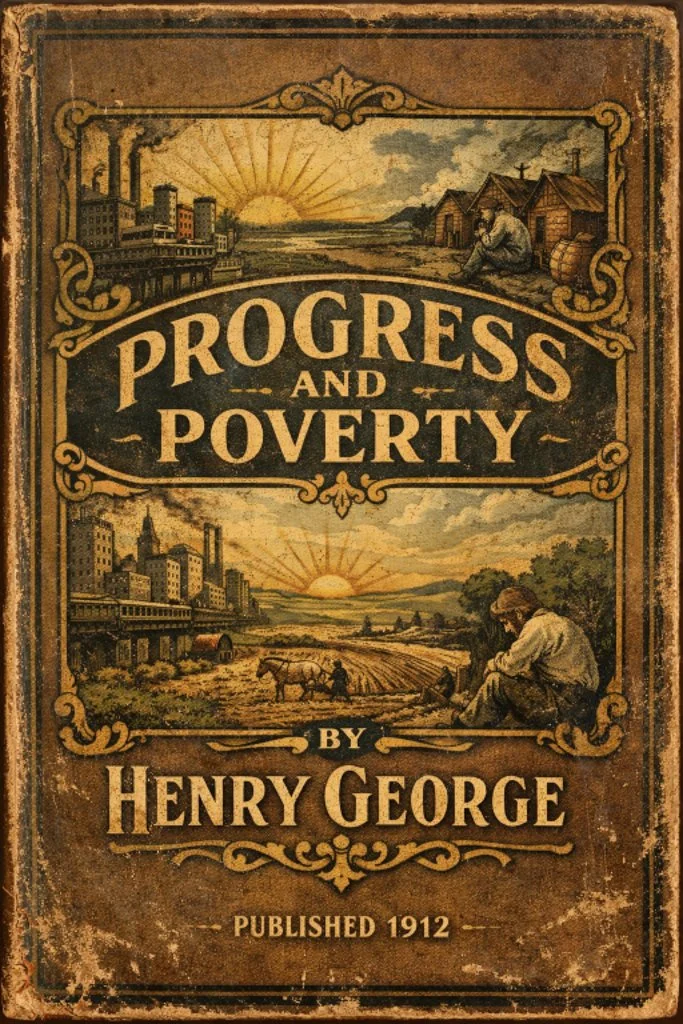
Fairhope’s literary story begins with a book. Published in 1879, Henry George’s Progress and Poverty became the second bestselling book of its time after the Bible. It examined why poverty continued to grow even as societies became wealthier and proposed that land value created by a community should benefit the community.
Inspired by George’s ideas, a group of reformers established the Fairhope Single Tax Colony on November 15, 1894. More than seventy years before Page & Palette opened, a book helped inspire the founding of the town it would eventually call home.
1898
A Novelist Brings Her Library to Fairhope
Marie Howland Comes to Fairhope
Marie Howland came to Fairhope in 1898, drawn by the new colony’s experiment in what founder E. B. Gaston called “Cooperative Individualism.”
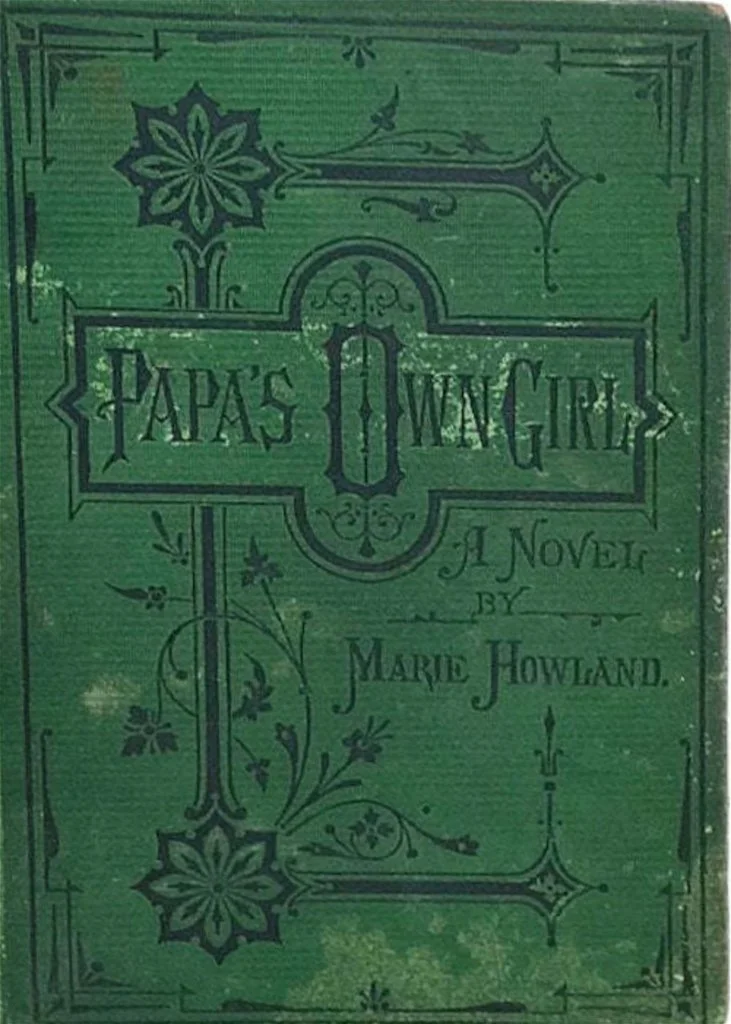
Howland had already lived an extraordinary life. She worked in a cotton mill as a child, became a teacher, newspaper editor, columnist, feminist and advocate for economic independence for women. Her experiences living in an experimental community in France inspired her best known novel, Papa’s Own Girl, published in 1874.
The novel challenged traditional ideas about class, marriage, domestic labor and the limited economic choices available to women. Its heroine grows into an independent businesswoman within a cooperative community. The book was enormously popular and influential. Elizabeth Cady Stanton later said she would rather have written Papa’s Own Girl than been the mother of half the children in America. The novel was republished as The Familistère in 1918.
Howland arrived in Fairhope with the book collection she and her late husband, Edward Howland, had assembled over many years. She opened her home and collection to the community, then donated the books to the Fairhope Single Tax Corporation in 1900. Her home became the Fairhope Free Public Library and Howland served as Fairhope’s first librarian.
Fairhope’s earliest literary history was therefore not merely about writers living here. It was about a writer placing books directly into the hands of her new community.
1900
A Library Begins at The Pines
Fairhope’s First Public Library Opens
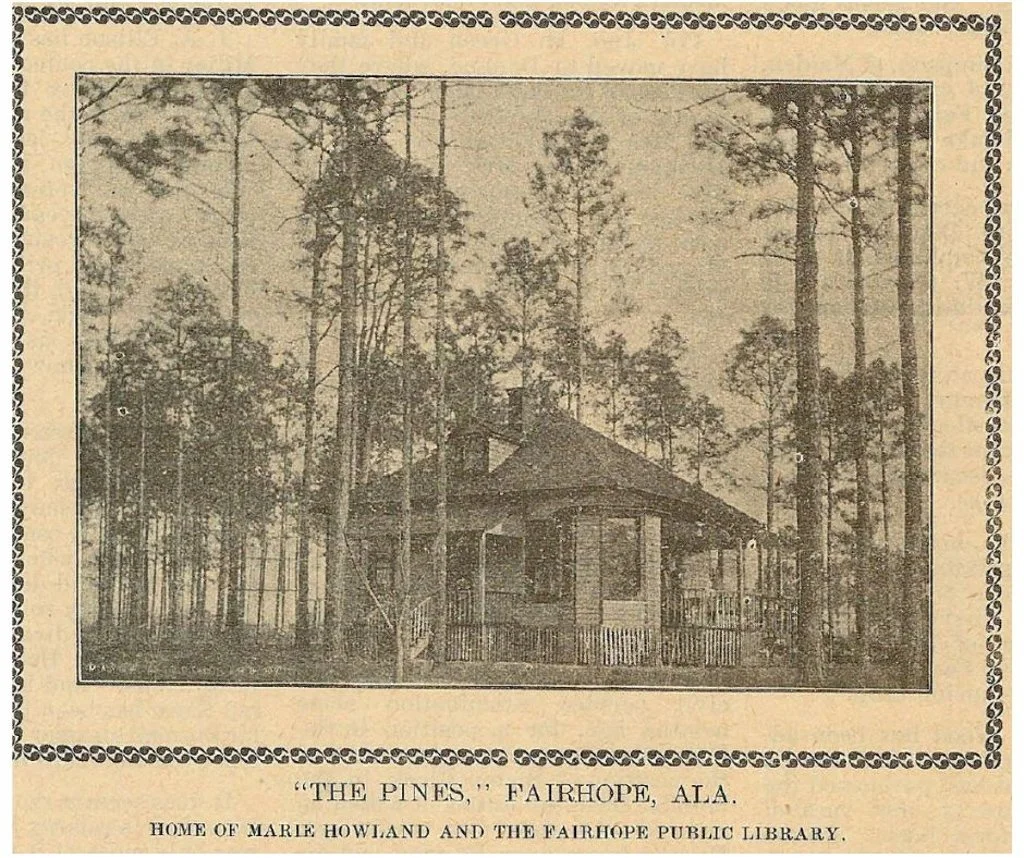
On April 18, 1900, Marie Howland opened her home, The Pines, and her personal collection of books to the Fairhope community. Her parlor became the Fairhope Free Public Library and Howland became the town’s first librarian.
The collection had traveled an extraordinary distance. Marie and her late husband, Edward Howland, had gathered books from Amsterdam, Leipzig, Paris, Oxford and London. The books followed them from New Jersey to an experimental community in Topolobampo, Mexico, then eventually to Fairhope.
Neighbors built shelves and bookcases as the collection expanded from the parlor onto the porch. By 1902, the library held 1,662 books. Of those, 898 came from the Howland collection and 764 had been donated by community members and supporters. During its first recorded year, the library circulated approximately 450 books and periodicals.
The Pines served as Fairhope’s library until 1908, when the growing collection moved into a separate library building on Summit Street. What began inside one woman’s home established a public library tradition that continues in Fairhope today.
1907
A New Way to Learn
Marietta Johnson Establishes the School of Organic Education
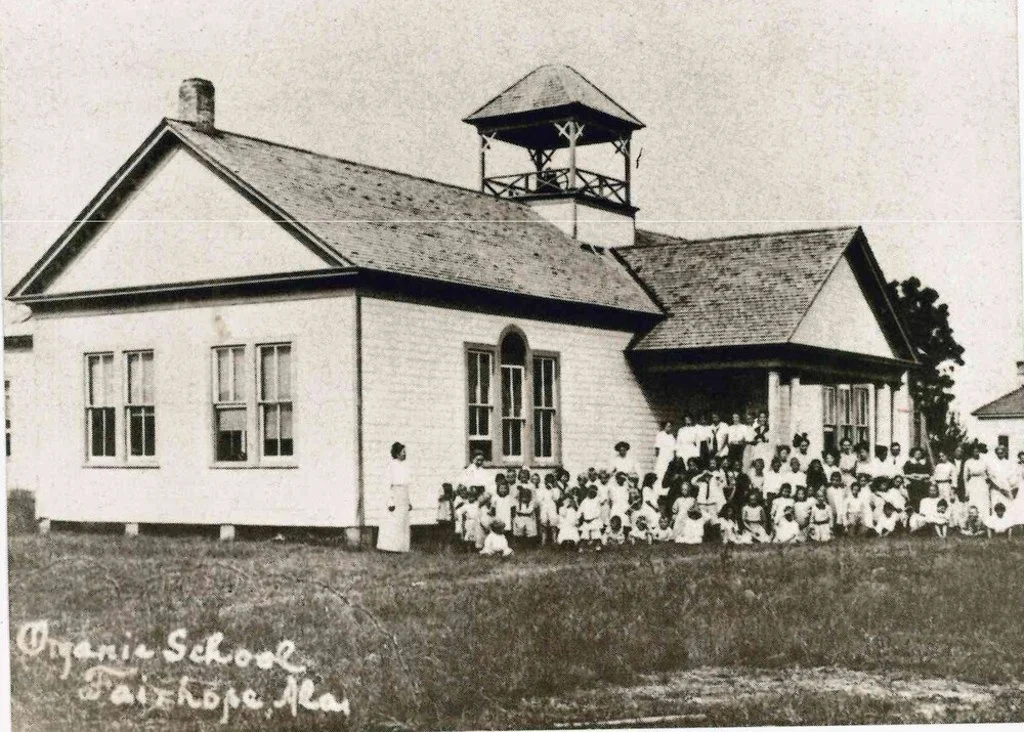
Marietta Johnson established the School of Organic Education in Fairhope in 1907. She believed education should follow the natural stages of a child’s development instead of forcing every child into the same rigid system.
The school eliminated conventional grades and examinations and emphasized creativity, movement, nature, handwork and learning through experience. Johnson’s experiment attracted educators, writers and reformers to Fairhope and strengthened the town’s reputation as a center of progressive thought.
Johnson later became a nationally recognized lecturer and author on progressive education. Her writing included Youth in a World of Men, published in 1929. She and her work are honored on the Fairhope Literary Walk.
1908
A Permanent Home for Fairhope’s Library
Fairhope Builds Its First Public Library Building
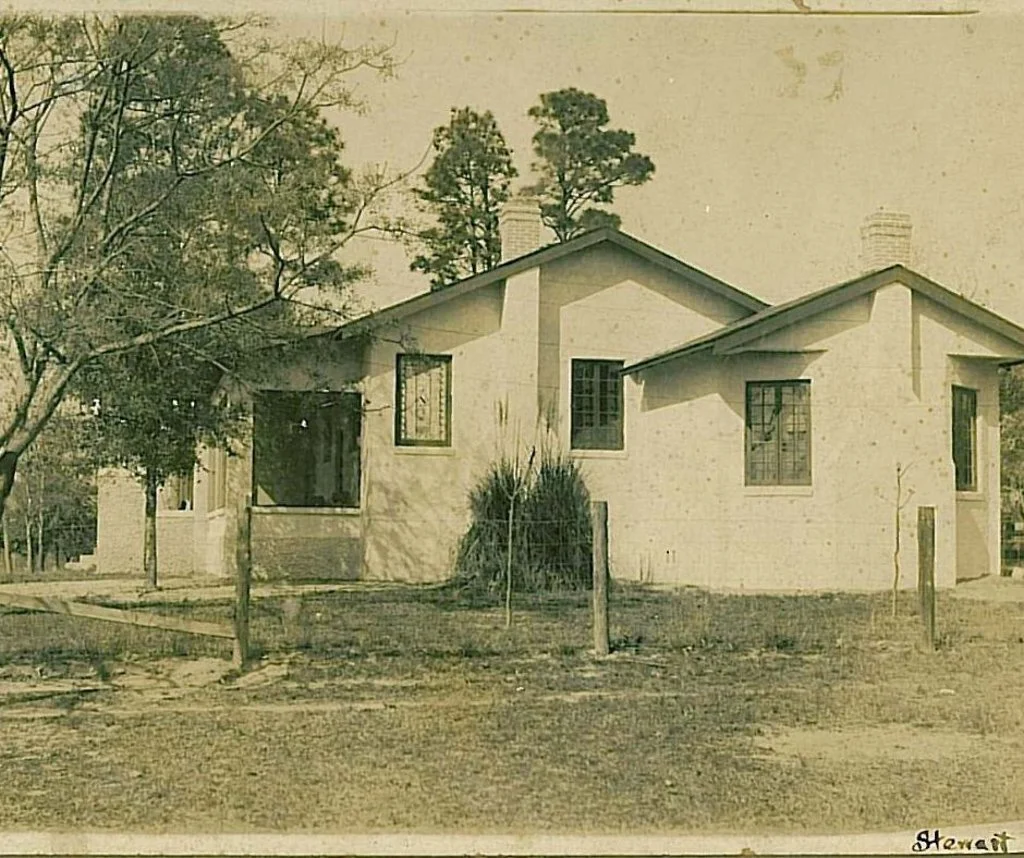
By 1908, the public library Marie Howland had operated from her home, The Pines, had outgrown its original space. Fairhope residents used volunteer labor and donated materials to construct the town’s first building dedicated exclusively to the public library.
The one-room library stood on Summit Street and served the community until 1983. Marie Howland continued as Fairhope’s librarian until 1917, extending the literary tradition she began when she first opened her personal collection to the public in 1900.
1908
Upton Sinclair Comes to Fairhope
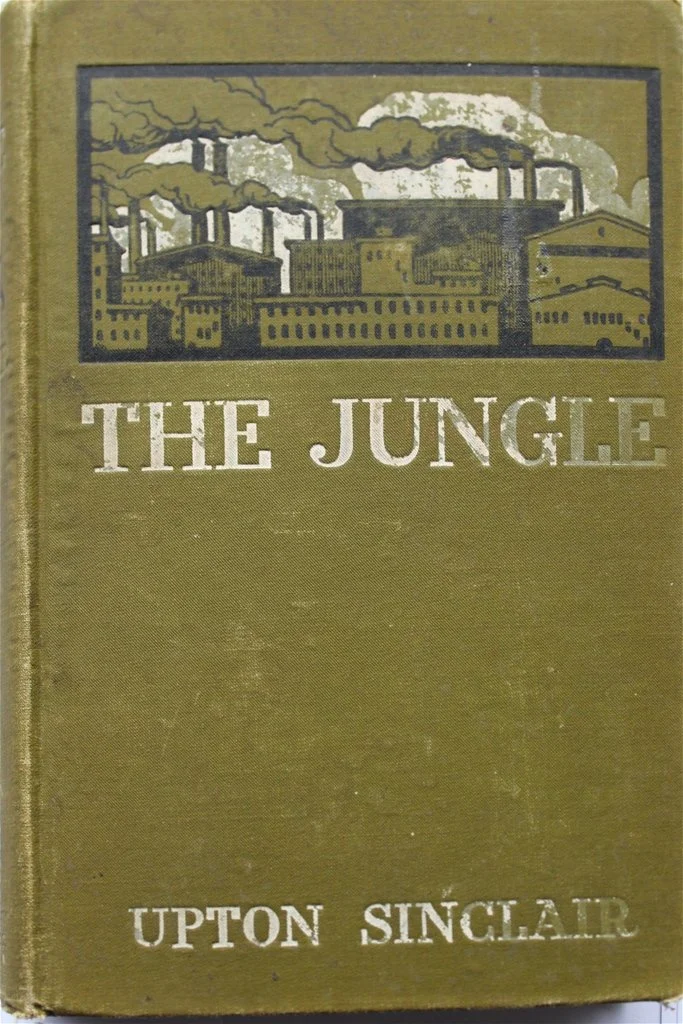
Upton Sinclair arrived in Fairhope with his wife, Meta and their son, David, in the fall of 1908. Sinclair was already internationally known for The Jungle, his 1906 novel exposing conditions in the meatpacking industry and helping build public pressure for major federal food safety reforms.
During the winter of 1909, the family rented a cottage on Fairhope’s bayfront. David attended Marietta Johnson’s School of Organic Education, connecting one of America’s most prominent reform writers to Fairhope’s progressive educational movement.
While living in Fairhope, Sinclair wrote The Naturewoman, a play he later included in his 1912 collection, Plays of Protest. His time in the community joined Fairhope’s founding ideals, educational experimentation and emerging literary identity in one remarkable chapter.
Sinclair and The Jungle are honored on the Fairhope Literary Walk.
1913
John Dewey Visits Fairhope
John Dewey Visits Fairhope’s Organic School
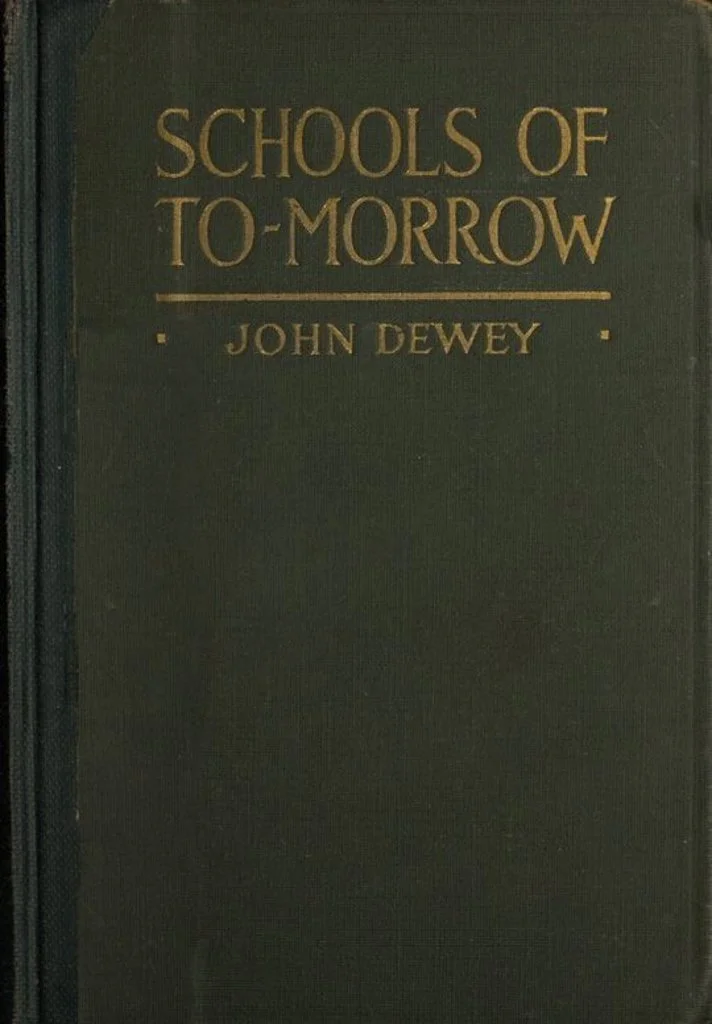
Following John Dewey’s 1913 visit to Fairhope, he and his daughter, Evelyn Dewey, devoted an entire chapter of Schools of To-Morrow to Marietta Johnson’s School of Organic Education.
Published in May 1915, the book examined experimental schools that were challenging conventional approaches to education. The Fairhope chapter presented Johnson’s belief that education should follow the natural development of the child and emphasized learning through movement, creativity, outdoor activity and experience.
Their account introduced Fairhope’s educational experiment to a national audience and helped establish Johnson as an important figure in the progressive education movement. Although the original cover names only John Dewey, the title page credits John Dewey and Evelyn Dewey as coauthors.
1929
Marietta Johnson Shares Her Vision
Marietta Johnson Publishes Youth in a World of Men
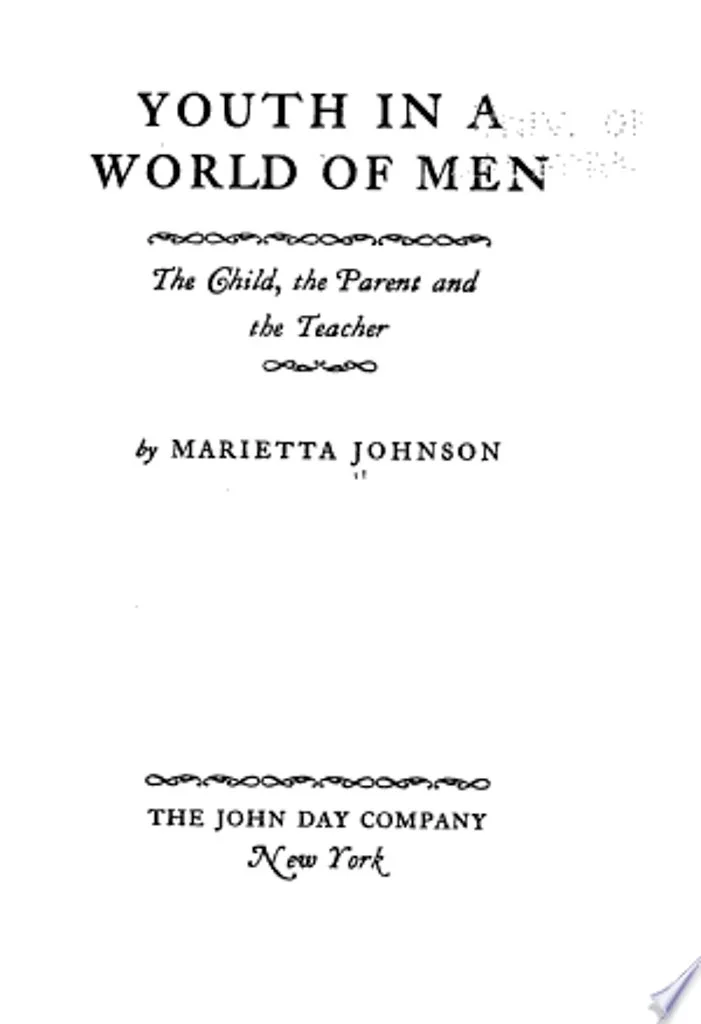
Marietta Johnson published Youth in a World of Men: The Child, the Parent and the Teacher in 1929. The book presented the educational philosophy she had developed through more than two decades at Fairhope’s School of Organic Education.
Johnson argued that education should respond to the natural development of the child rather than force children into a rigid adult system. She emphasized the growth of the whole child, body, mind and spirit, through creativity, movement, nature and experience.
The book carried ideas developed in Fairhope beyond the classroom and preserved Johnson’s place in the progressive education movement. Johnson and her work are honored on the Fairhope Literary Walk.
1959
Fairhope Becomes Moss Bayou
Robert E. Bell Publishes The Butterfly Tree
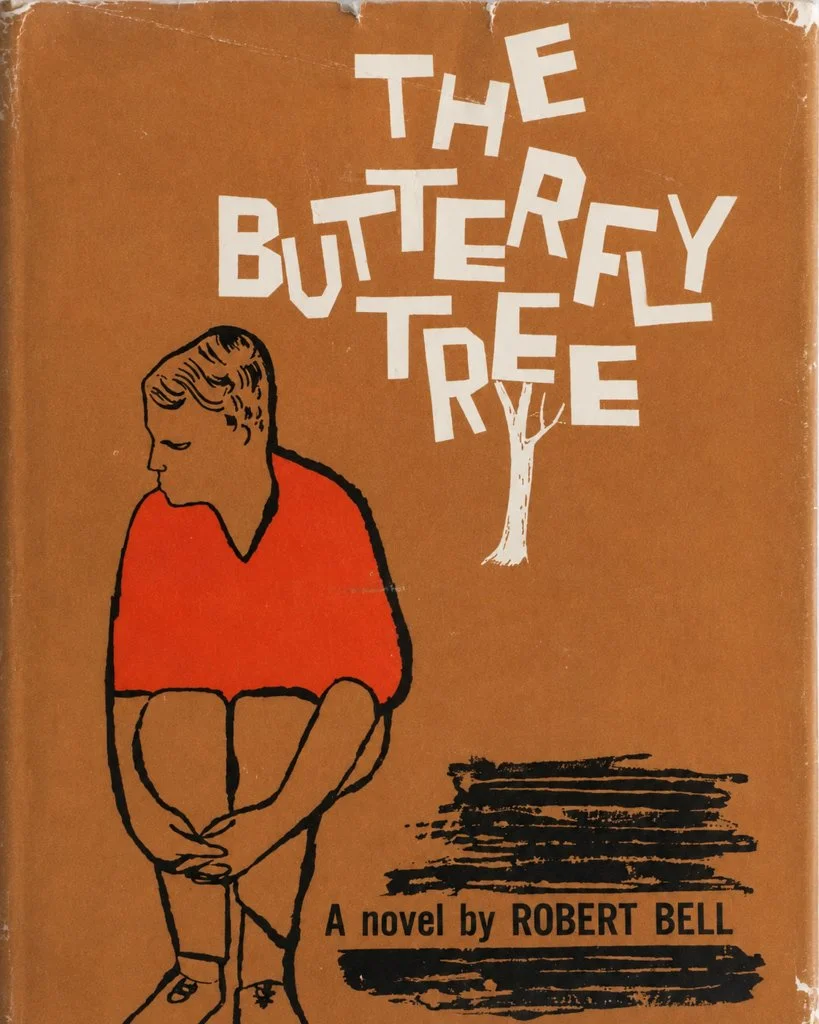
Robert E. Bell published The Butterfly Tree in 1959. The novel is set in Moss Bayou, a fictional town inspired by Fairhope, where Bell’s family had moved in 1947.
Organized around the four seasons, the story follows Peter Abbott and four unusual characters searching for a mysterious butterfly tree. Bell blended his affection for Fairhope’s landscape with the mythology and symbolism that later became central to his scholarly work.
The original first edition featured a dust jacket designed by Andy Warhol, giving this distinctly Fairhope novel an unexpected connection to one of the twentieth century’s most recognizable artists. The University of Alabama Press returned the novel to print in 1991.
Bell and The Butterfly Tree are honored on the Fairhope Literary Walk.
1962
A Prolific Author Comes to Fairhope
W. E. B. Griffin Comes to Fairhope
After his third novel was published in 1962, William E. Butterworth III left his civilian position at Fort Rucker to write full time and moved to Fairhope.
His first novel, Comfort Me with Love, began an extraordinary career spanning more than 250 books published under his own name and numerous pen names. Writing as William E. Butterworth, he coauthored the popular series of M*A*S*H sequel novels with Richard Hooker.
In 1982, The Lieutenants launched his bestselling Brotherhood of War series and introduced readers to the name W. E. B. Griffin. He later published more than 60 military and political novels as Griffin, including The Corps and Badge of Honor series. His books sold more than 50 million copies worldwide.
His wife, Emma Macalik Butterworth, was also an author and calligrapher. She published The Complete Book of Calligraphy in 1980 and As the Waltz Was Ending, a memoir of her childhood as a ballet student in wartime Vienna, in 1982.
Griffin also gave Fairhope one of its most enduring descriptions: “Welcome to Fairhope, the Home of More Writers than Readers.”
Griffin and his work are honored on Page & Palette’s Fairhope Literary Walk.

Grand Opening Page & Palette
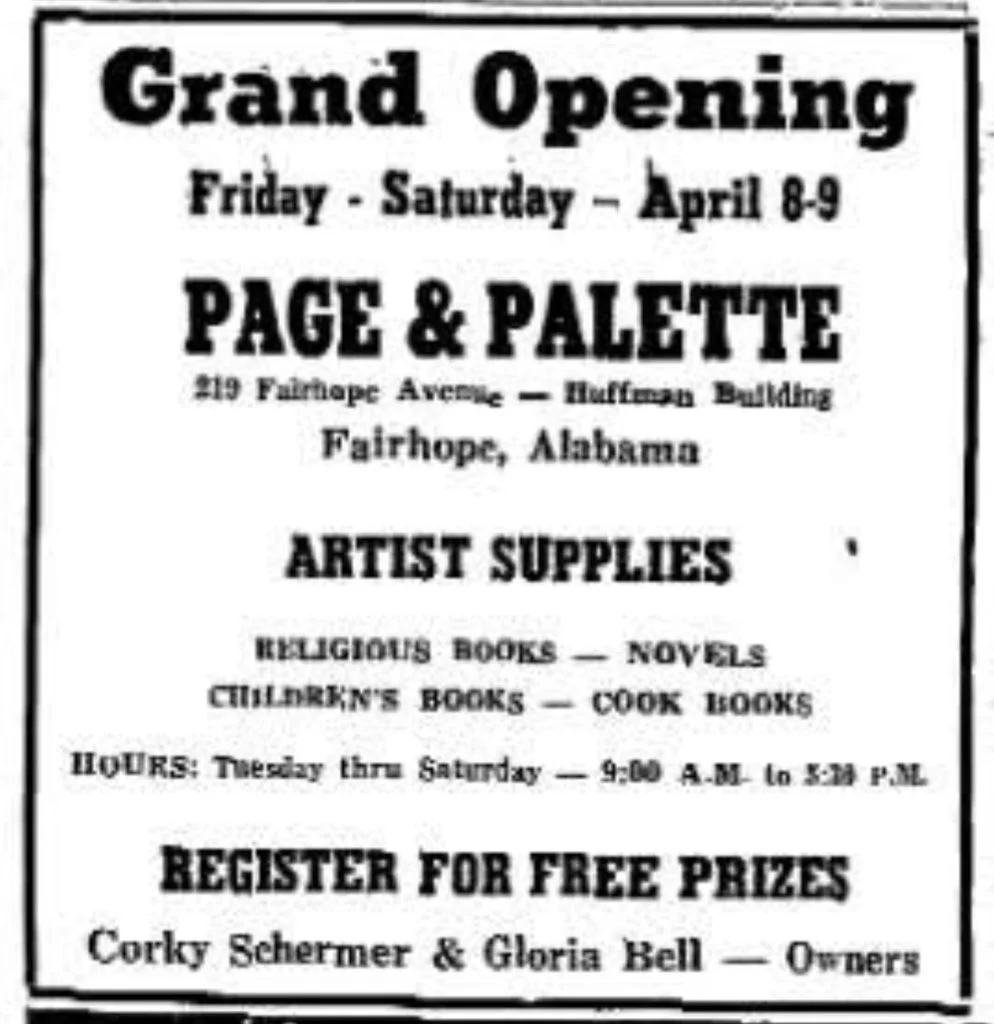
Corky Shermer and Gloria Bell opened Page & Palette at 219 Fairhope Avenue in the Huffman Building, offering books and art supplies. The grand opening was held April 8 and 9, 1966.
1966
Grand Opening Page & Palette